
Cacao Farm Tour
The full walk: rows, pods, fermentation, drying and a tasting. 90 minutes.
From $65
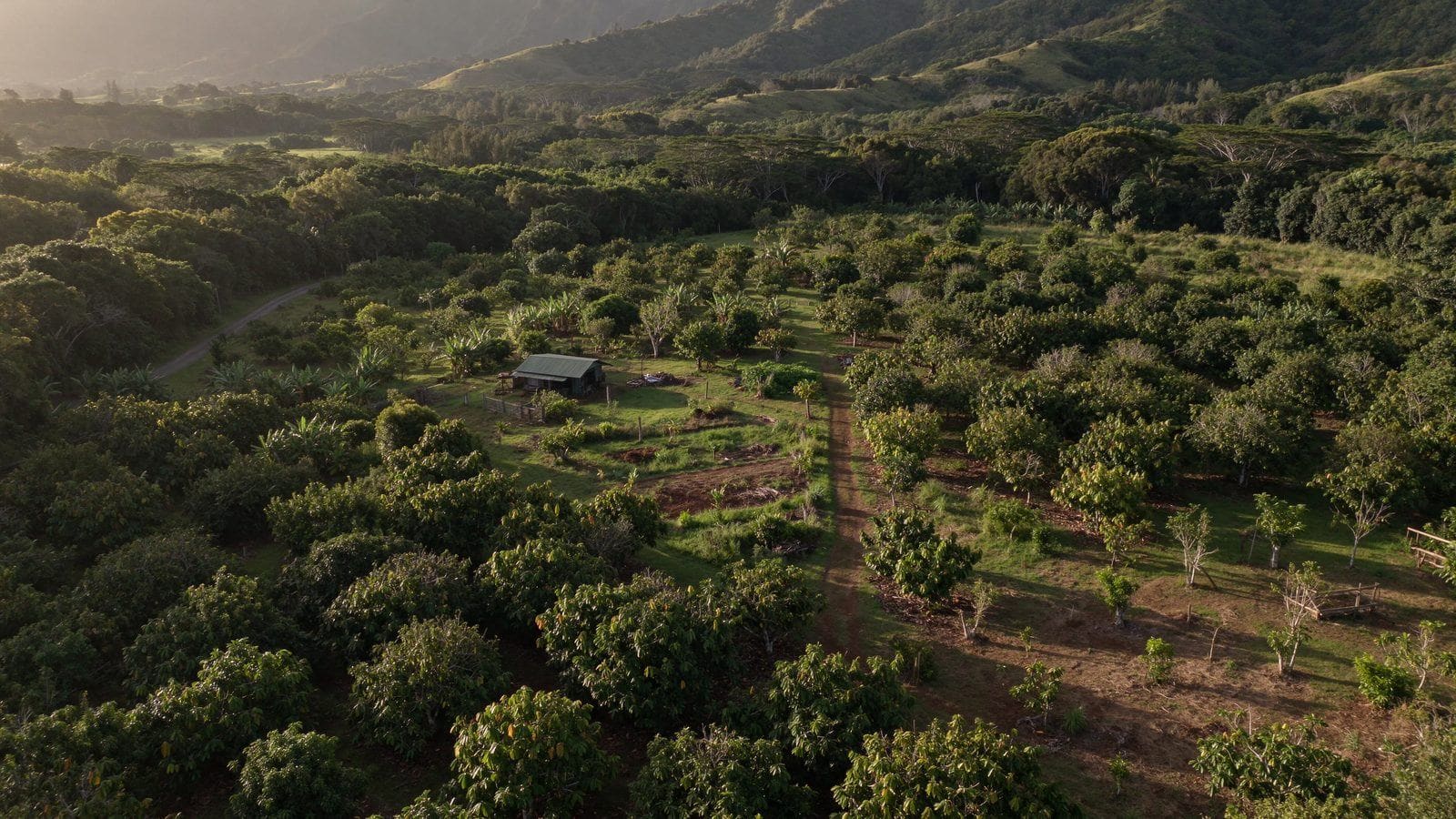
Two acres on the North Shore of Oʻahu where the cacao is grown, fermented, dried, roasted and made into chocolate — all within a few hundred metres of each other.
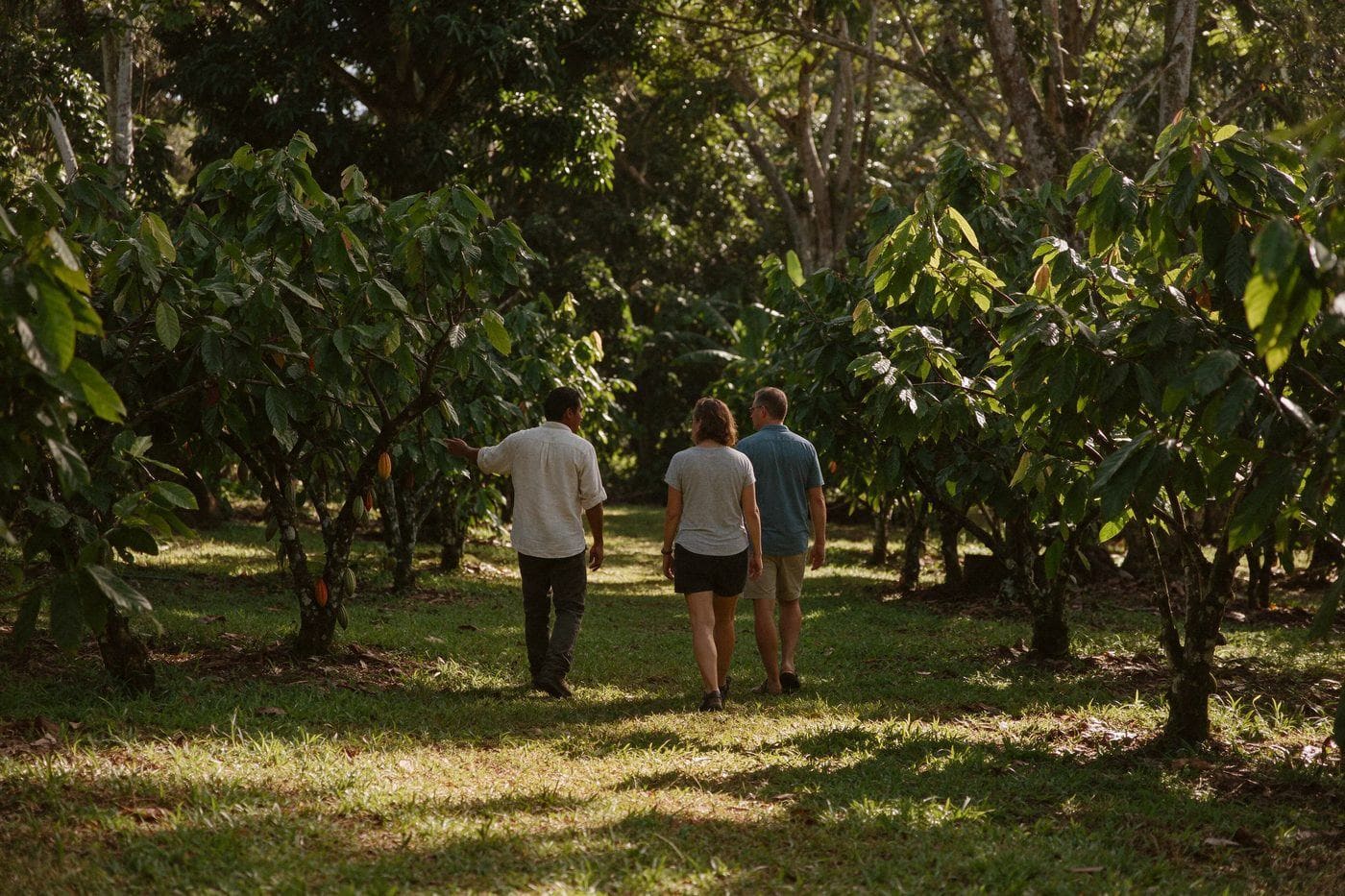
Cacao is an understory tree. It evolved to grow beneath a canopy, and it does not like full sun, hard wind or dry feet. On the North Shore that means planting it under taller companions — mango, breadfruit, banana — and letting the shade do half the work.
The farm sits in Waialua, the flat, wetter country between the Waianae and Koʻolau ranges. Rain comes often and sideways. The soil is deep and dark. Cacao likes all of it, which is why the trees here fruit more or less continuously rather than in one tight season.
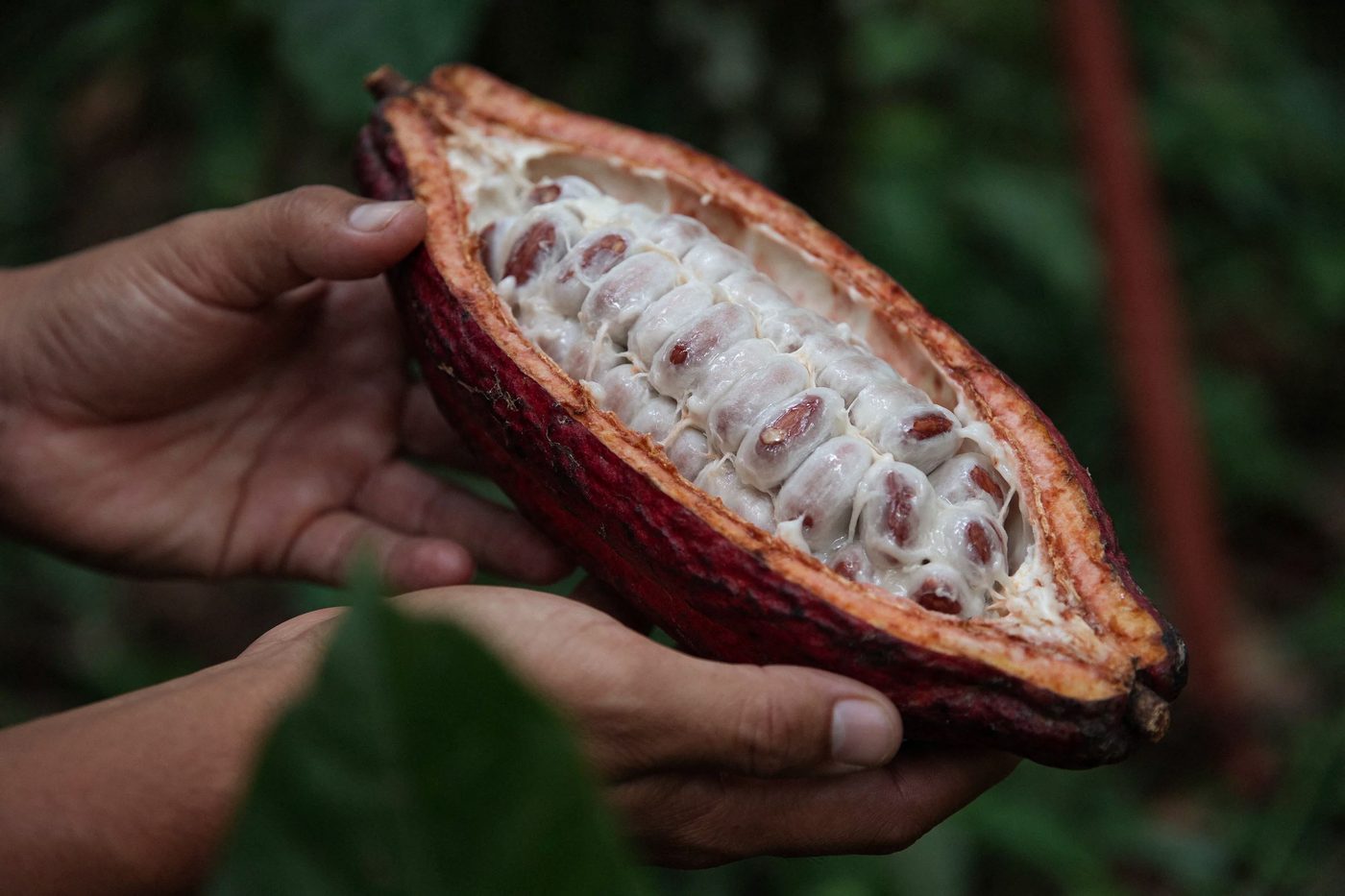
Hawaiʻi grows cacao all year. Pods ripen continuously, which means harvest, fermentation and drying overlap instead of following each other in a neat line.
Pods are cut by hand with a machete or a pod knife, opened the same day, and the beans go straight into the fermentation box. Beans left sitting lose the pulp that starts the ferment.
Beans and pulp go into wooden boxes, covered with banana leaves, turned on a schedule. The pulp breaks down, the temperature rises, and the flavour precursors that make chocolate taste like chocolate are formed.
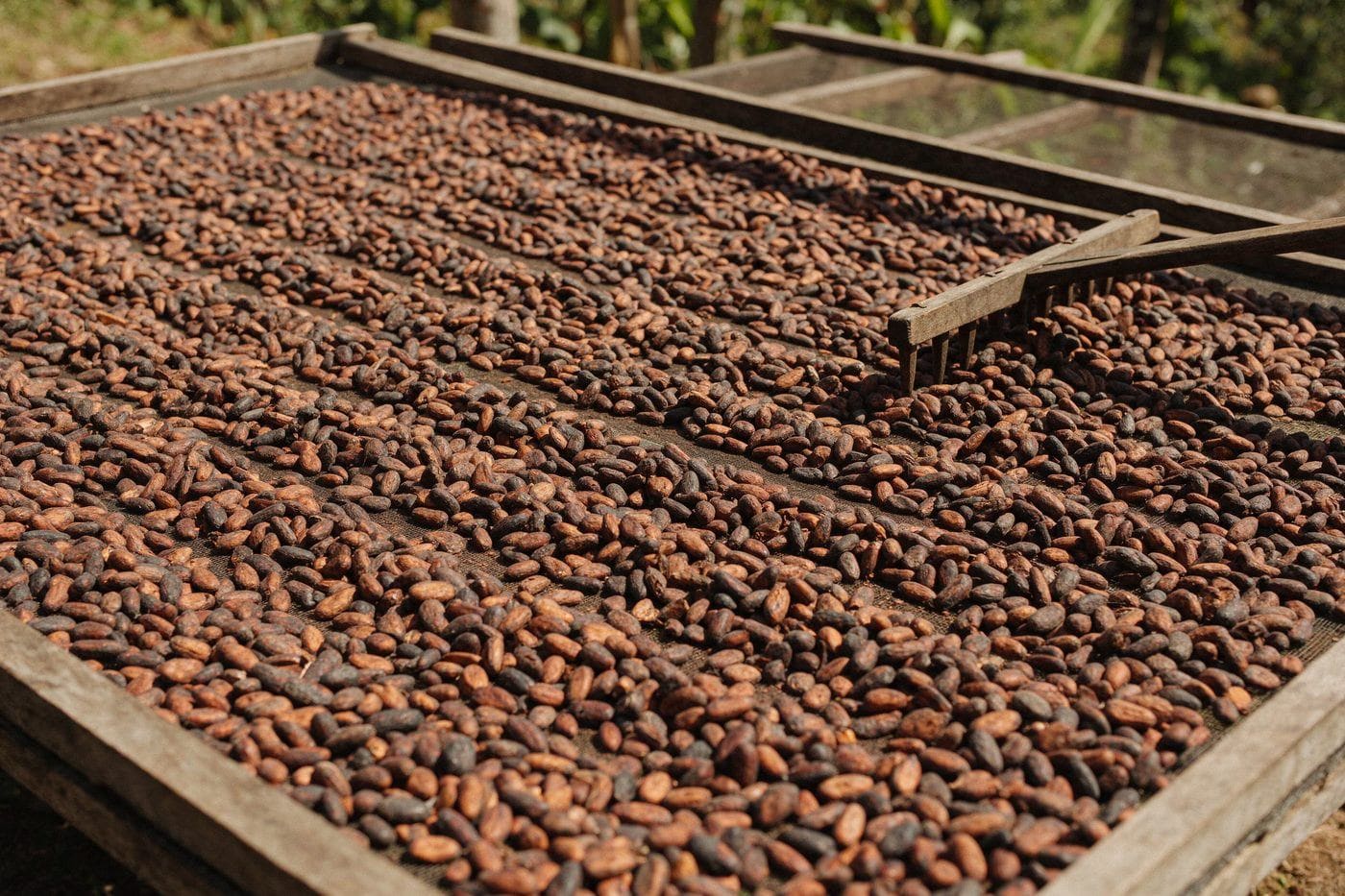
Onto racks in the sun, raked into shallow rows, covered when the rain comes. Beans are dry when they crack instead of bending. Too fast and they case-harden; too slow and they mould.
Roast, crack, winnow, grind, temper, mould, wrap. Batches are small enough that one person can follow a batch from the tree to the wrapper — which is exactly what happens here.
Power comes from panels on the workshop roof. Water is caught, stored and used sparingly. Nothing about that is a marketing decision — the farm is simply a long way from the grid, and running it this way is cheaper than the alternative.
It also means the farm is quiet. On a still morning the loudest thing you will hear is a pheasant, or the grinder running in the workshop.
There is no self-guided route and no visitor centre. Every visit is led by someone who works the ground, which is why groups stay small.
The full walk: rows, pods, fermentation, drying and a tasting. 90 minutes.
From $65
The whole farm for your group, at your pace, for two hours.
From $395
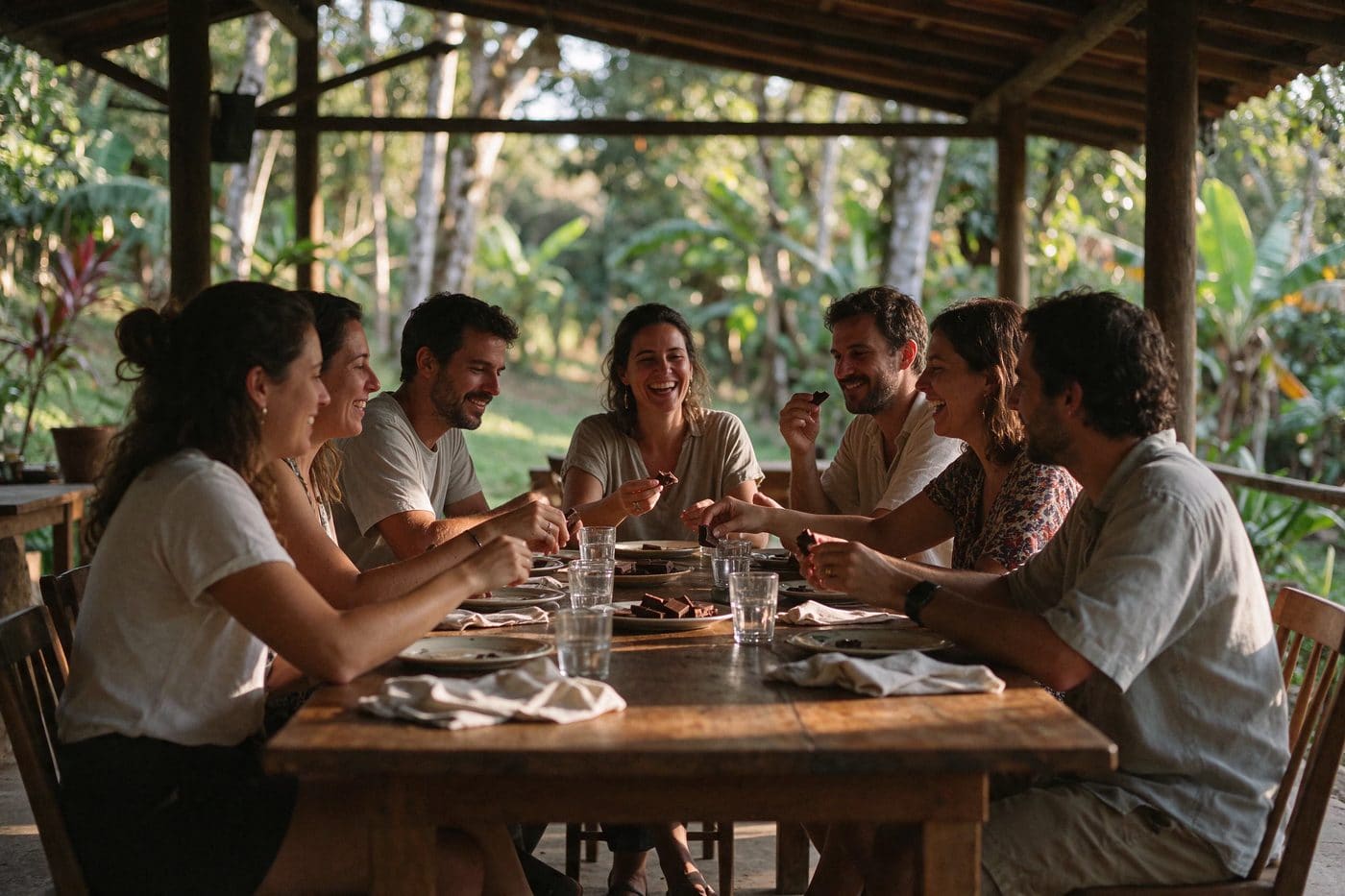
Ninety minutes, ten guests, and a guide who knows which tree is carrying fruit this week.
Or call (808) 282-4154 — James answers.